
Basics of Liveaboard Cruising, Post 25-50
Updated: Dec 17, 2025
Liveaboard Crusing Series, Part 1 of 3
Handling some basic living chores while fulltime cruising sometimes takes a little bit more effort and planning than compared to traditional housing. This week’s post will cover things like receiving mail, grocery shopping and doctor’s appointments.
While Utopia is at rest until the end of January, we will share our observations about living fulltime onboard while cruising. This idea came from a friend who after reading our blog posts was curious about some facets of living fulltime on a boat while cruising. Note this is from our experience of moving onboard two years ago, and constantly moving to new locations, which is somewhat different than living aboard at a marina.
This week covers some basics. Future posts will cover utilities & routines.
Transportation

While Utopia is our home, the dinghy is considered our car. Our dinghy is 9’ long, has an aluminum bottom with inflatable sides. It is powered by a 10 hp outboard engine. Since we mostly anchor out, the dinghy is used to get back and forth to shore. We have the ability to get up on plane (and go fast) when it is just the two of us in the dinghy, however, when loaded up with purchases, or laundry, our trek between Utopia and the shore is often fairly slow.
Once onshore, we typically walk to our destination. If it is too far or if we are carrying heavy loads, we attempt public transportation or hire a ride-share. Sometimes we will rent bikes or cars if needed.
Things are easier when we are at a marina since we can simply step onto a dock from Utopia. Nor do we need to transfer items between Utopia and the dinghy, which can be a sport when sea conditions are bumpy. A few marinas that offer either a no-cost loaner car or bikes for running errands.
Groceries
Without a car, we usually have to limit the amount of groceries we pick up in one shopping expedition. We typically walk to grocery stores and carry everything back in our backpacking backpacks. These are designed to be able to relatively comfortably carry loads up to 35 pounds, and we consider shopping trips to be light conditioning for future backpacking trips.
Photos: Carring groceries back to the boat in Key West. Food storage behind and above the settees. Spice rack and shelve for light weight foods next to stove, above the Nav station. Hanging net for fruit, vegetables and drink coolers. Top loading refridgerator. Under master berth storage.
Our refrigerator and freezer are small in volume and accessed from a top loading door. Bins inside of the fridge help speed up the process of reaching items in the lower levels. We try to keep the more frequently used items in the upper bins.
With a small refrigerator, we limit the number of beverages to what may be consumed in a single day. Since drinks can be heavy and should be stored in a cool location, beers, sodas and mixers are stored under our master berth. Each night we replenish the refrigerator with drinks from under the bed to be ready for the next afternoon.
Laundry
Storage
There is not a whole lot of room onboard for storing clothing, so we have a limited selection to choose from. The Forward Stateroom (master bedroom) on Utopia has a locker for hanging clothes. Bulky jackets are stored in it, along with some hanging shelves which significantly added to our clothing storage capacity. In addition to the hanging locker, we have a couple of cabinets to store our clothes and shoes. When viewing our photos you may notice we wear the same things over and over again.

Washing
Like those who do not have a washer and dryer in their homes, laundry day is an event for us. We load up the laundry into our backpacks, lower them down to the dinghy, along with detergent and a little purse filled with quarters and head to a laundromat on shore.
This is a lot easier when we are at a marina, especially if the marina has laundry facilities on the property. Typically, there is somewhat of a hike between the slip and the laundry, so the backpacks are still used. Also, many marinas do not have change machines in the laundry room, so we need to plan ahead. Sometimes the office will sell you a roll of quarters during office hours, but in general, we try to always have $5 to $10 of quarters on hand.
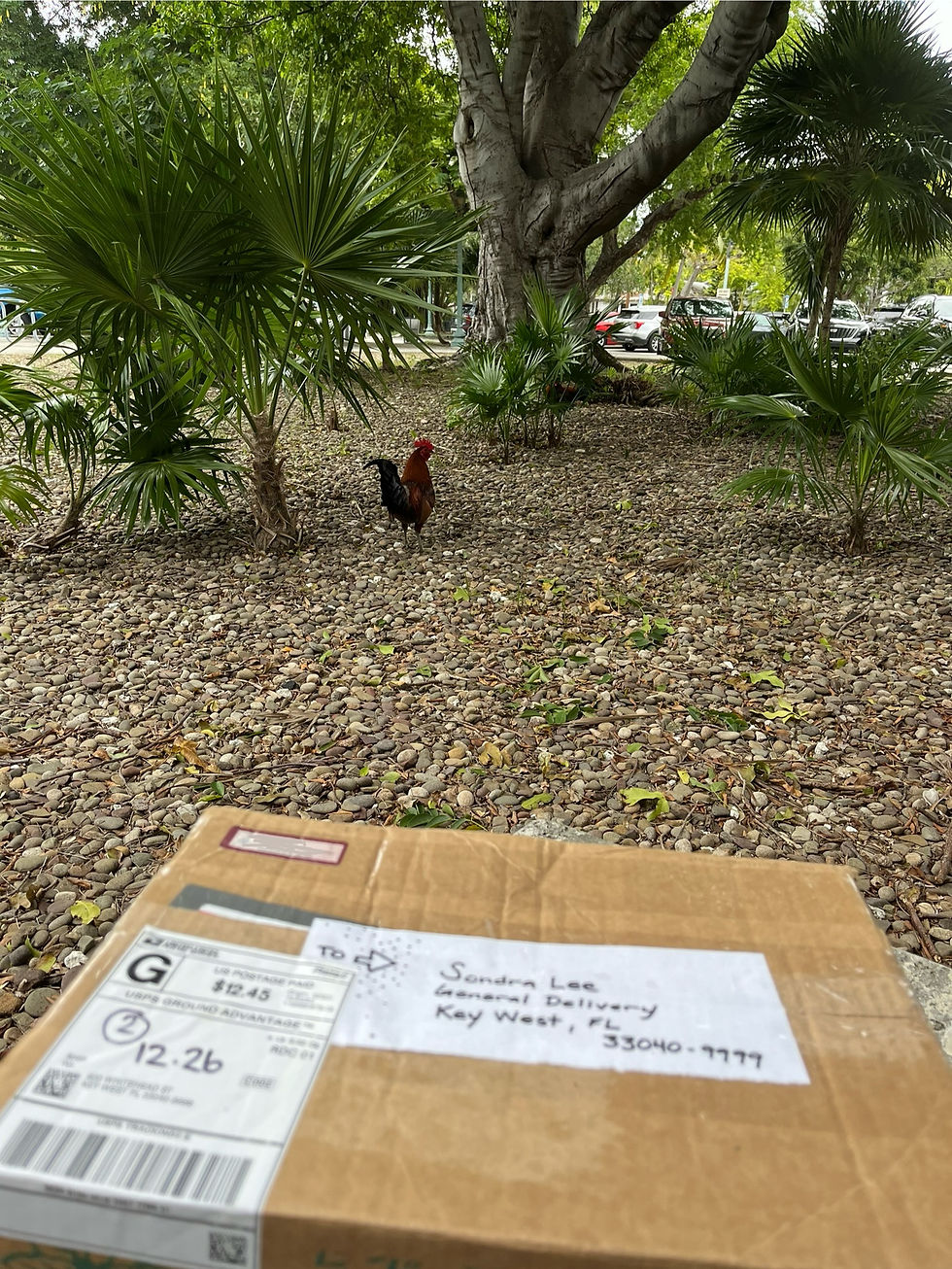
Because we are constantly on the move, getting mail or packages can be quite tricky. Most of our mail is sent to my sister’s house in Tallahassee. Occasionally we ask my niece to send us photos of the contents. Then, if needed, my sister will send us our mail (and any prescriptions she picks up for us) through General Delivery. This requires us to guess where we will be in about two weeks’ time to give her enough time to get to the post office and for the package to wind its way to our intended location. With some good planning we can sometimes ship purchases to ourselves using Amazon or UPS drop locations. Sometimes we have to stay in a port an extra day or so waiting for a package. Also, when we have a marina reserved far enough in advance, we can ship packages there to be waiting for us on our arrival.
Doctors & Medical Needs

We have found it to be easier, and more economical, to attempt to schedule our routine medical visits in close succession. Both in 2024 & 2025 we have stayed at marinas during November and December that are “relatively” close to Tallahassee. Then rent a car near the marina and stay at friends’ houses in the Tallahassee area.
A couple of times this past year we have had to visit walk-in clinics. The out-of-the-country visit was inexpensive, and the in-country visit was covered by our insurance since we called them first to let them know we had an issue that could not wait for a return trip to Tallahassee.
In addition to using Dr. Google to help us figure out how to address an issue while in remote locations, we have attempted to enhance our first aid skills. Recently both of us attended the Heartsaver First Aid CPR AED class from the American Heart Association. Plus, this fall Sondra completed a course in offshore wilderness medicine with Wilderness Medicine Associates.
Post 25-50


Comments